

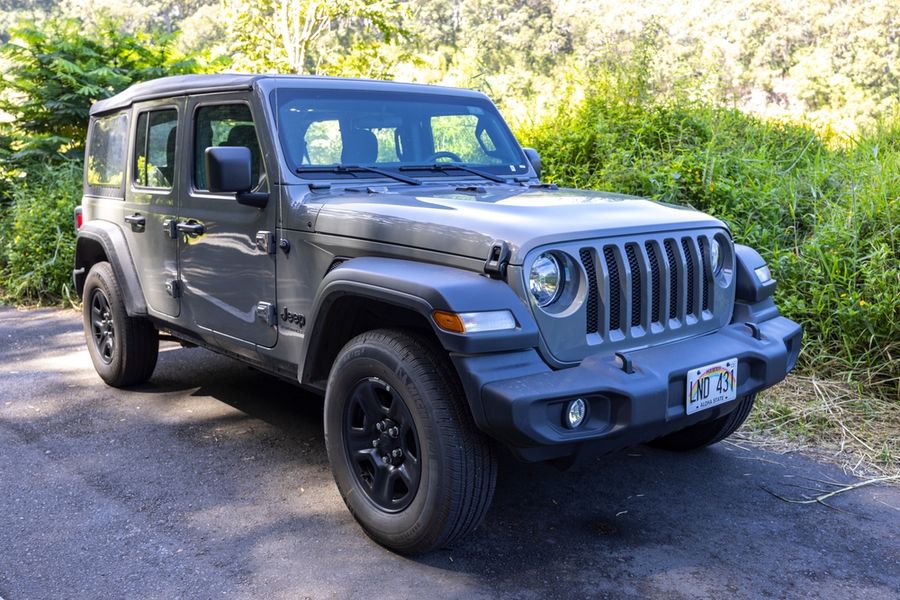
The Jeep Wrangler has earned its place as one of the most trusted off-road vehicles in America. For drivers who love rocky trails, muddy paths, and quiet backcountry roads, the Wrangler is built from the ground up to handle it all. With heavy-duty parts, smart four-wheel drive, and a removable top, the rugged SUV gives adventure seekers the freedom to travel. Understand what makes the Jeep Wrangler ready for almost anything outdoors.
A Tough Frame Built for Rough Trails
Most modern SUVs use a unibody design where the frame and body are one piece. The Jeep Wrangler still uses a body-on-frame setup, with a strong steel frame underneath the cabin. This design is much better suited for off-road work, since it can take heavy hits from rocks, ruts, and rough terrain without bending out of shape. It also makes repairs and upgrades easier for serious off-roaders.
The Wrangler also keeps solid axles on both the front and rear, which is rare for SUVs today. Solid axles are tougher than independent setups and let the wheels move farther up and down. That kind of flex is a big plus when crawling over uneven trails, large boulders, or deep ruts. Combined with heavy-duty steel skid plates, the Wrangler's underbody is built to take a beating and keep going.
Smart 4-Wheel Drive Systems
The Wrangler comes with one of two trail-ready four-wheel drive systems, depending on the trim. The standard Command-Trac system gives drivers a two-speed transfer case with a 2.72:1 low-range gear ratio. That low gear lets you crawl up steep hills and roll over rocks at very slow speeds, with full power going to all four wheels. It's a great mix of strength and control for most off-road trips.
For drivers who want to tackle the toughest trails, Wrangler Rubicon models come with the Rock-Trac system. This setup adds a deeper 4:1 low-range ratio for slower, more careful crawling over rough ground. The lower gear gives you more torque at the wheels and makes hard climbs feel much more under control. It's a true rock crawler's dream and one big reason the Rubicon name is so famous in off-road circles.
Locking Differentials and Sway Bar Disconnect
On the toughest trails, sometimes one or two wheels will lift off the ground or lose grip in mud and sand. The Rubicon's front and rear locking differentials lock the wheels on each axle to spin together, no matter what. That means even if one tire is in the air or sliding, the others can still pull the Jeep forward. It's a key feature for crawling out of tricky spots.
Rubicon trims also include an electronic front sway bar disconnect. Sway bars help keep the Jeep flat in turns on the highway, but they limit how much each wheel can move on its own. With the press of a button, the sway bar disconnects so the front wheels can flex more freely over uneven trails. When you get back to pavement, you simply press the button again to reconnect for safer everyday driving.
Ground Clearance and Water Fording
Off-road trails are full of rocks, logs, deep ruts, and washouts. The Wrangler is built tall, with strong ground clearance that helps it roll over obstacles instead of dragging on top of them. Its short front and rear overhangs also give the Jeep great approach and departure angles, so it can climb steep hills and drop off ledges without scraping its bumpers. Big knobby tires add even more clearance for tough trails.
The Wrangler can also handle water crossings that would stop most other SUVs. The Rubicon trim has a water fording depth of up to 33.6 inches when properly equipped. That means the Jeep can drive through streams, mud holes, and shallow rivers with body openings sealed and air intakes raised on the engine. For anyone who explores forests, deserts, or backcountry routes, this kind of capability opens up many new places to roam.
Open-Air Design for Outdoor Adventure
Few vehicles match the Wrangler's open-air feel. The roof can come off, the doors can come off, and the windshield can fold down on most trims. That gives drivers a true open-air experience that feels closer to riding a side-by-side or a horse than driving an SUV. On clear days at the beach, in the desert, or up in the mountains, this freedom is hard to beat.
The Wrangler's design is also smart for hauling gear. The cabin has rubber-like floors with built-in drain plugs, so dirt, sand, and water can be hosed out after a long day on the trails. Water-resistant seats handle rain showers and wet swimsuits without much fuss. Tie-down loops and tons of storage space let you bring along tents, bikes, fishing gear, and coolers, making the Wrangler a true partner for weekend adventures and longer summer trips alike.
Built for the Road Less Traveled
The Jeep Wrangler stands out because it does what most SUVs simply cannot. Strong axles, smart four-wheel drive, locking differentials, and a tough body let it handle terrain that would leave other vehicles stuck or scraped. Whether you are climbing a mountain pass, fording a creek, or rolling slowly over rocks and roots, the Wrangler keeps moving with confidence. It is a true off-road tool that has been tested on trails by drivers for many years.
For drivers who plan weekend trips, off-grid camping runs, or full overland expeditions, the Wrangler offers the right mix of strength, comfort, and freedom. It is one of the few new vehicles on the market today that still feels built for adventure first and the daily commute second. With its open-air design, removable parts, and trail-ready hardware, the Wrangler invites owners to leave the pavement behind and find a new path. For anyone with a love of the outdoors and a sense of curiosity, that is a powerful invitation to explore.