

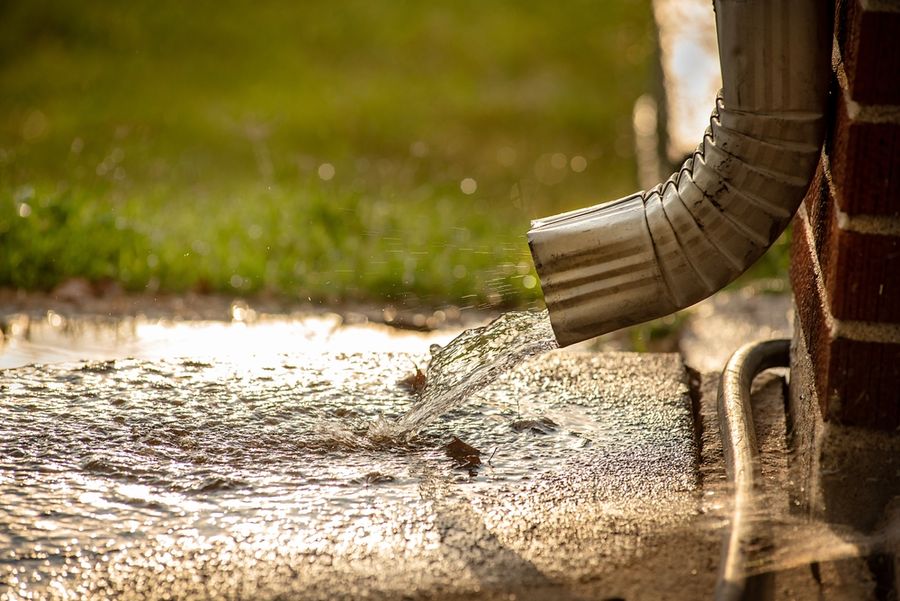
After a hard rain, some yards drain away in a couple of hours, while others turn into swamps that sit for days. Standing water doesn't just kill your grass — it washes away topsoil, weakens your foundation, and leaves you with mud where your patio used to be. The good news is most backyard drainage problems have practical, do-it-yourself fixes. Understand how to move water away from your house and out of your yard for good.
Start with Grading Around the House
Most drainage problems start at the foundation. The ground around your house should slope away from the walls so rain rolls toward the lawn instead of pooling against the siding. Impervious surfaces within 10 feet of the foundation should slope away from the building. If yours is flat — or worse, slopes toward the house — water finds its way into the basement, the crawl space, or the soil right next to your footings.
A small grading fix doesn't take much equipment. Add clean fill dirt along the foundation, slope it away from the house, and top it with grass seed or mulch to hold it in place. For larger problem areas, you may need to bring in a landscaper.
Extend Your Downspouts Away from the Foundation
Gutters do their job by pulling water off the roof, but most downspouts dump it within two feet of the house. That concentrated stream is one of the leading causes of foundation leaks and soil erosion right beside the wall. The fix is simple: add a downspout extension that carries the water at least 4 to 6 feet from the foundation.
Above-ground extensions are the cheapest and easiest option — flexible plastic pipe that snaps onto the bottom of the downspout and runs across the lawn. Roll-out splash guards work too and self-store between rain events. For a more permanent fix, run the extension underground in a buried pipe that exits at a daylight point further down the slope. End every extension with a splash block to spread the water out and protect the soil where it lands.
Install a French Drain or Swale for Persistent Wet Spots
If part of your yard stays soggy long after the rain, you probably need a way to move water through the soil rather than just over it. A French drain is a trench filled with gravel and a perforated pipe that collects underground water and carries it to a lower spot in the yard or to a storm drain. It's the go-to fix for chronic low spots and basement seepage.
A swale is a shallow, gently sloped channel cut into the lawn that carries surface water away — think of it as a softer, planted version of a ditch. Swales are easier to install than French drains and work best on properties with enough natural slope to keep water moving downhill. For severe cases, the two are often combined, with a French drain installed at the bottom of a swale to handle the deeper water.
Build a Rain Garden for Heavy Runoff
A rain garden is a shallow, planted depression that catches runoff from your roof, driveway, or downspout and lets it soak into the ground over a few hours. Rain gardens can reduce flooding, filter pollutants, and increase groundwater recharge, and that most homeowners can install one themselves. The result is a beautiful, low-maintenance fix that handles a real backyard problem.
Pick a spot at least 10 feet from your foundation, dig a basin a few inches deep, and plant it with native grasses, sedges, or flowering perennials that can handle wet feet. Rain gardens look like a normal garden bed most of the time, but during a storm they fill briefly and then drain — usually within a day. They double as habitat for butterflies, songbirds, and pollinators.
Add Dry Wells or Catch Basins for Tough Spots
When grading, downspout extensions, and a rain garden still aren't enough, a dry well can take the overflow. A dry well is a buried, gravel-filled pit (or perforated barrel) that water flows into and slowly seeps out through the surrounding soil. It works best in sandy or loamy soil that drains well — heavy clay can defeat a dry well by holding the water in instead of letting it pass through.
Catch basins are the surface complement: a grated box set flush with the lawn that captures water and feeds it into an underground pipe or dry well. They're useful in low spots that collect water faster than the soil can absorb it. Combined with the other fixes above, a catch basin or dry well rounds out a layered drainage system that can handle just about any storm short of a hurricane.
A Drier Yard Starts with a Plan
A flooded yard isn't a problem you solve with one quick fix. It usually takes two or three working together — better grading, longer downspout extensions, and a swale or rain garden to handle what's left. Walk your property after a heavy rain, mark the spots where water sits or runs, and start with the fix that targets your worst trouble area first.
Most of these projects fit into a weekend and use materials from a regular hardware store. The payoff is steadier soil, healthier grass, and a foundation that stays dry through every storm. Once your drainage is dialed in, the rest of your landscaping finally has the conditions it needs to actually thrive.