

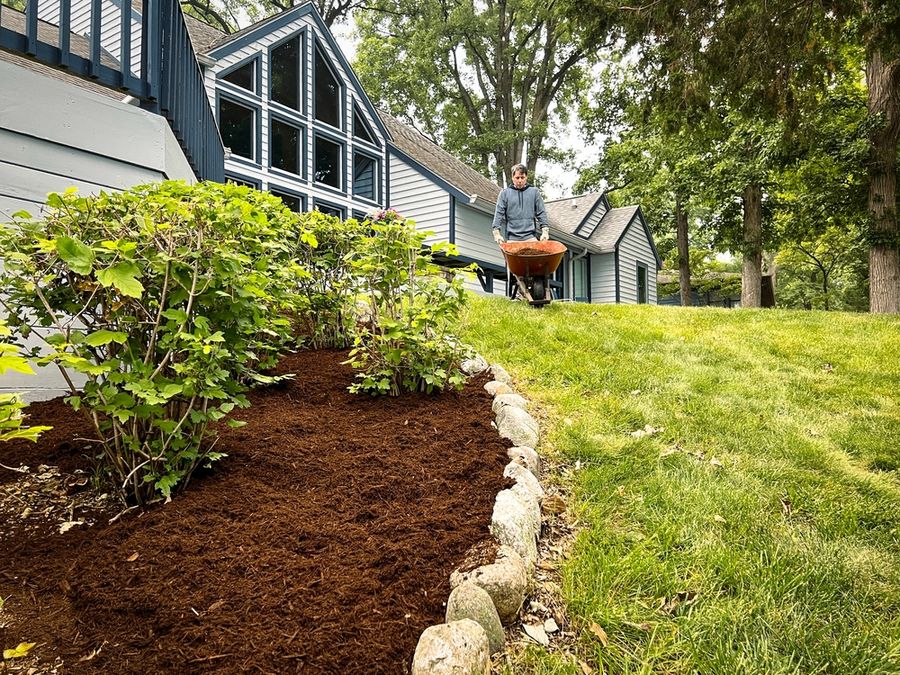
Mulch is one of the cheapest, easiest upgrades any garden can get. A simple layer of bark, straw, or wood chips spread over the soil holds water in, blocks weeds, keeps roots cool, and feeds the dirt as it breaks down. The trick is knowing what to use, how thick to spread it, and where to keep it away from. A few smart moves can save you hours of watering and weeding all season long.
How Mulch Saves Water and Stops Weeds
Mulch works in two simple ways. It blocks sunlight from hitting the soil, which keeps weed seeds from sprouting, and it slows the rate at which water evaporates from the surface. When the ground is covered, the sun has to fight through the mulch layer before it can dry out the dirt below. That means your plants stay hydrated longer and you spend less time pulling weeds.
For mulch to do its job well, it has to cover the soil almost completely. The USDA recommends covering at least 90% of the soil surface to slow evaporation effectively. Mulch also keeps roots cooler in summer, warmer in winter, and protects the surface from heavy rain that would otherwise wash topsoil away. Add to that the food it slowly delivers as it breaks down, and you've got a quiet, all-season helper.
Picking the Right Mulch for the Job
Not all mulches are equal. The right pick depends on what you're growing, how long you want the cover to last, and whether you want it to feed the soil as it breaks down.
- Cedar and Cypress: These wood mulches break down the slowest, which makes them a strong choice for trees, shrubs, and ornamental beds where you want a clean, long-lasting top layer. They hold their color well and don't need to be refreshed as often as faster-decomposing options.
- Pine Bark and Hardwood Mulch: Both are common picks for ornamental beds, but they break down faster than cedar or cypress. The trade-off is worth it in many gardens — as they decompose, they feed the soil and improve its structure over time.
- Straw: A favorite for vegetable gardens because it's light, decomposes quickly, and adds organic matter to the soil as it breaks down. Just be sure to check the source — straw treated with herbicides can damage your crops, so buy from a grower you trust.
- Pine Needles: A good pick around acid-loving plants like blueberries, azaleas, and rhododendrons. They knit together into a light mat that resists blowing away and slowly nudges soil pH downward as they decompose.
- Chopped Leaves and Untreated Grass Clippings: The best free option for vegetable beds. Run a mower over fallen leaves to chop them, or spread a thin layer of clippings from an untreated lawn. Both add organic matter and cost nothing.
How Deep to Spread It
Depth is where most people go wrong. Too thin, and weeds push through and water evaporates anyway. Too thick, and air and water can't reach the soil. The general rule from extension services is 2 to 4 inches for most beds, which is enough to block weed seeds while still letting moisture soak in.
For coarser mulches like wood chips or pine needles, you can lean toward the deeper end of that range — sometimes 4 to 6 inches — because the larger pieces leave more gaps for light and weed seeds. Spread mulch evenly with a rake, and break up any clumps so the layer stays loose. Avoid pressing it down hard, since compacted mulch can shed water rather than letting it through to the roots.
Don't Build a Mulch Volcano
One of the most common mistakes is piling mulch up against the trunk of a tree like a small volcano. It looks tidy at first, but it traps moisture against the bark, invites pests and disease, and forces the tree to grow shallow roots upward into the mulch instead of deep into the soil. Over time, this practice can damage or even kill a tree.
The right way is to spread a flat 2- to 4-inch layer that extends out toward the tree's drip line, with no mulch within about 3 inches of the trunk. Think of a doughnut, not a volcano. The flare at the base of the trunk should always be visible. (And yes, the same rule applies to shrubs!)
When and How Often to Refresh
Mulch breaks down over time, which is part of its value — as it decomposes, it feeds the soil. But that also means the layer gets thinner each year and stops blocking weeds as well. Most beds need about one inch of new mulch added each year to keep the layer at the right working depth.
Spring is the most common time to refresh, since you can clean up winter debris and lay down a fresh layer before weeds wake up. Before adding new mulch, rake what's left to fluff it and check the depth. Pull out any thick mats that have crusted over so water can soak through. If the existing layer is still close to 2 inches, you may only need a thin top-up rather than a full bag.
Small Layer, Big Payoff
Mulching looks like one of those small chores that doesn't really matter, but it pays back across the whole season. A well-mulched bed needs less water, grows fewer weeds, and tends to hold up to summer heat and winter cold better than a bare one. Most of the work is upfront — once it's down, mulch quietly does its job.
Pick a mulch that fits your plants, spread it 2 to 4 inches deep, keep it away from trunks, and top it up once a year. That short list covers almost every situation a home gardener will run into. Your soil will hold its moisture, your weeds will fade out, and you'll spend more time enjoying the garden than fighting it.