

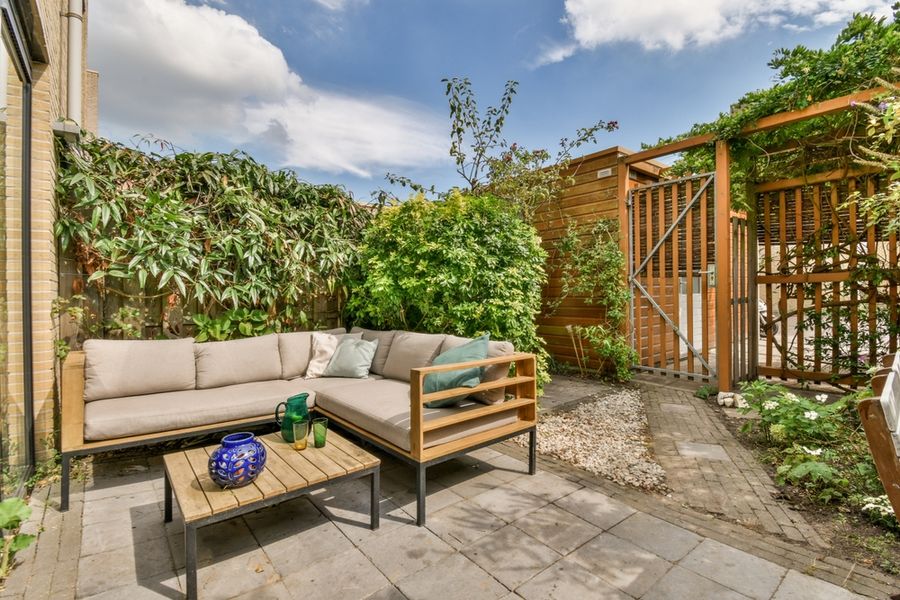
Living close to neighbors does not mean giving up peace and quiet. A small courtyard tucked between walls or behind a fence can turn a tight lot into a private retreat. With the right layout, even a slim slice of yard becomes a calm spot for morning coffee or evening reading. Understand practical ideas for shaping compact courtyards that block noise, soften views, and feel much bigger than they really are.
Start With the Walls That Surround You
The walls of your courtyard do most of the heavy lifting. They block sight lines from second-story windows next door, soften street noise, and frame the space so it feels intentional. In tight neighborhoods, height matters. Check your local rules first, since many cities cap fence height at six or seven feet. If you cannot go higher, add a slatted screen or a row of trellises on top. These keep the airy feel while stretching the visual barrier upward.
Mix materials when you can. A solid bottom panel paired with an open lattice above gives privacy without making the yard feel like a box. Painting walls in a deep, calm color also helps. Dark greens, charcoal grays, and warm browns blur the edges of small spaces, while bright white tends to bounce attention right back to where the wall ends. Even a few extra feet of height can completely change how the space feels at eye level.
Pick Plants That Pull Their Weight
Plants are the second layer of privacy, and they should earn their spot. In a small courtyard, you cannot afford a shrub that just sits there and takes up room. Look for upright evergreens like Sky Pencil holly, Italian cypress, or columnar boxwood. They grow tall but stay narrow, so they screen views without crowding chairs or walkways.
Climbing plants are another smart pick. Star jasmine, climbing hydrangea, and certain clematis varieties cover walls and fences fast, adding green height without taking up floor space. However, it's worth noting that some plants, like climbing hydrangea, can take years to create the screen you're looking for.
If the courtyard gets full sun, add a few ornamental grasses for movement. They sway with even a soft breeze, which draws the eye downward and keeps the space feeling alive. Pair tall plants with low ground covers, like creeping thyme or sweet woodruff, so the corners do not look bare or harsh.
Use Water and Texture to Mask Sound
Privacy is not only about what you can see. It is also about what you hear. A neighbor's loud TV or a busy street can ruin the calm of any outdoor space. The fix is a layer of soft, steady sound that covers the rest. A small wall-mounted fountain or a simple bubbling urn works well in tight courtyards. The water does not need to be loud. A gentle trickle is enough to mask voices a few feet away. Test the volume during quiet evening hours, when sound carries the farthest.
Texture helps too. Pebble walkways, stone walls, and rough wood all scatter sound better than smooth concrete and glass. Wind chimes can work if your neighbors are not close enough to hear them clearly, but tread carefully here. Consider rustling plants like bamboo or ornamental grasses for a softer, natural sound that is unlikely to bother anyone.
Layer Light for Comfort After Dark
Lighting can make or break a small courtyard. Harsh overhead lights wash out the space and spill into neighboring yards, which defeats the whole point of a private retreat. Aim for several small, low sources instead of one bright fixture. Path lights along edges, candles on tables, and string lights tucked under a pergola create warm pools of light that feel close and personal.
Wall sconces with downward shades direct the glow where you need it, without bouncing off windows. A simple uplight at the base of a tall plant casts a soft pattern on the wall behind it, which adds depth and makes the courtyard feel layered. Keep bulb color warm, in the 2200K to 2700K range, since cooler bulbs feel clinical outdoors and can clash with the natural tones of plants and stone.
Make the Floor Feel Like a Room
The ground is the largest surface in any courtyard, so it sets the mood. Treat it like the floor of an outdoor room. Large pavers spaced with gravel or moss strips look polished and drain well after a hard rain. If you prefer a softer feel, a small patch of artificial turf works in a corner where real grass would struggle. Avoid loose rocks across the whole space, since they shift under chairs and make tables wobble.
An outdoor rug under a seating area pulls the look together and tells the eye where to land. Wood decking is another good option for raised courtyards or rooftops, especially if you choose modular tiles that can be lifted and washed. Whatever you pick, keep the pattern simple. Busy floors make a small space feel chaotic and shrink it visually.
Small Spaces, Big Calm
A compact courtyard does not need to feel small if you design it with care. Start with strong, layered walls that break sight lines without closing you in. Add plants that work hard, water that softens noise, and lighting that warms the space after sunset. Treat the ground like a real floor, and let every choice serve both privacy and comfort.
The best part is that none of these moves require a big lot or a big budget. Even a yard the size of a parking space can become the spot you look forward to most each day. Privacy in a tight neighborhood is not about hiding. It is about shaping a space that finally feels like yours.