

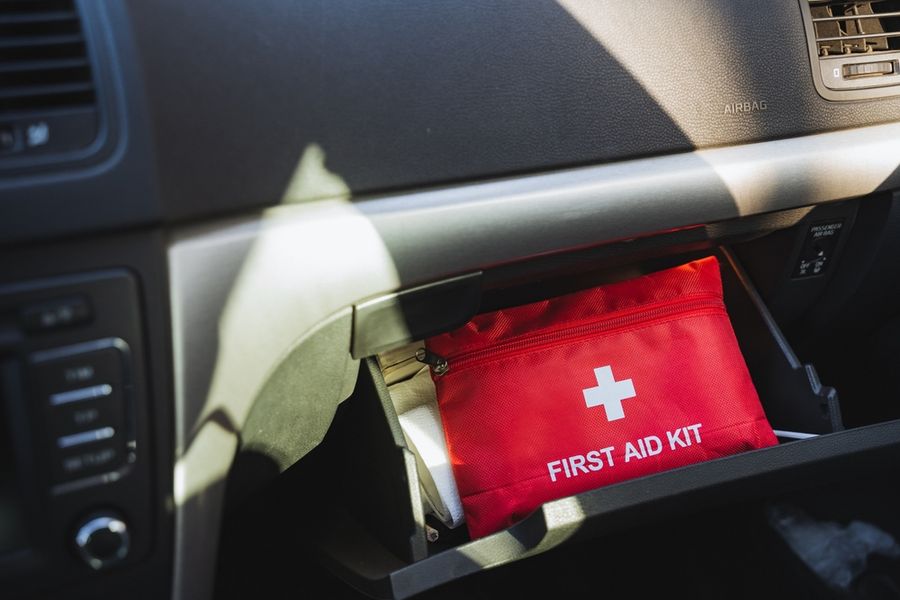
Life with kids is full of surprises. Between school pickups, sports practices, and weekend road trips, parents spend a lot of time behind the wheel — and a lot can go wrong out there. A flat tire, a fender bender, a sick child miles from home: parents wish such events never happened. By understanding what every parent should keep on hand, you can maintain a well-stocked car kit that is ready to handle the unexpected before it turns into a full-blown crisis.
Start With a Solid First Aid Kit
A first aid kit is one of the most important things you can keep in any vehicle. At a minimum, it should include adhesive bandages in various sizes, sterile gauze pads, antiseptic wipes, antibiotic ointment, an instant cold pack, latex or nitrile gloves, tweezers, scissors, and pain relievers (source). These basics are enough to handle the most common roadside bumps and scrapes — from a child cutting their hand on a car door to a minor injury after a fender bender.
For families with young children, it is worth going a step further. Add hydrocortisone cream for bug bites and skin irritation, elastic bandages for sprains, and any prescription medications your child may need on short notice. Check your kit every few months and replace anything that has expired or run out. A first aid kit that is half-empty or filled with outdated items will not help you when you need it most. [¹]
Safety Tools That Protect Your Whole Family
When a car breaks down or gets stuck on the side of the road, visibility becomes a serious concern — especially at night or in bad weather. Road flares or reflective warning triangles should always be within reach (source). Placing them behind your vehicle alerts other drivers to your presence and reduces the risk of a secondary accident while you wait for help.
Jumper cables are another item no family car should be without. A dead battery is one of the most common roadside problems, and having cables on hand means a passing motorist or roadside service can get you moving again quickly (source). It's also recommended to keep a basic set of tools in your car, along with duct tape, a flashlight with spare batteries, and paper towels or pre-moistened wipes (source).
A portable power bank is worth adding too — keeping your phone charged means you can always call for help, check maps, or reach a family member in an emergency (source). If you are in an area with cell service issues, a physical paper map of your region is a simple, no-battery-needed backup that AAA also recommends keeping in the glove compartment.
Food, Water, and Comfort Supplies for the Long Wait
Getting stranded is stressful enough without being hungry or cold. Store at least one bottle of water per person in the car, and rotate it out regularly. For food, stick to non-perishable snacks like granola bars or trail mix that hold up well in a hot car (source). These small additions can make a big difference if you are waiting hours for a tow truck.
Blankets and extra clothing layers are equally important. Whether you are stuck in a winter storm or simply sitting on the side of a highway at night, staying warm is a safety issue, not just a comfort one. Hand warmers are inexpensive and take up almost no space. If you live somewhere with harsh winters, a small shovel and a bag of sand or kitty litter can help your tires get traction if you get stuck in ice or snow (source).
Kid-Specific Extras You Should Not Overlook
A standard emergency kit is built for adults, which means it leaves out a lot of what parents actually need. Families with babies or toddlers should keep diapers, wipes, and an extra change of clothes in the car at all times. If your child takes a daily medication, keep a small backup supply sealed in the kit and check it regularly to make sure it stays current.
Beyond the basics, think about what will help keep kids calm during an unexpected wait. Non-electronic activities — a small coloring book, a deck of cards, a puzzle — can go a long way toward keeping young children settled while you deal with a stressful situation (source). A fully charged portable charger for tablets or phones gives you a backup option for older kids. For infants, a small supply of formula or a thermos of warm water for mixing can be a lifesaver if you are far from home.
Keep It Stocked, Keep Your Family Ready
Building a car kit is a one-afternoon task that can pay off for years. The hardest part is not assembling it — it is remembering to maintain it. Set a reminder twice a year to go through the kit, replace expired items, swap out seasonal gear, and restock anything you have used. Tying the check to something you already do regularly, like changing your smoke alarm batteries or rotating your tires, makes it easier to stay consistent and ensures nothing slips through the cracks.
A well-prepared car kit will not prevent emergencies, but it will change how your family handles them. Instead of scrambling or waiting helplessly, you will have what you need to stay safe, comfortable, and in control. When something does go wrong, you will be the calm parent — the one with a plan — no matter where the road takes you.