

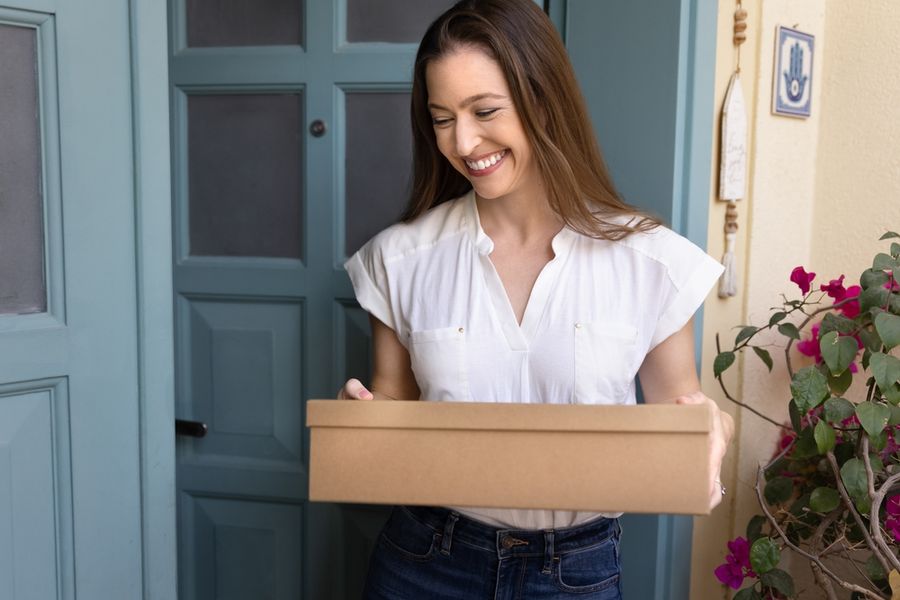
Imagine getting a couch, kitchen supplies, or a set of children's books without spending a single dollar. That is exactly what millions of Americans are doing through Buy Nothing groups — local communities where neighbors give away things they no longer need and pick up things they want. Countless groups have spread to every corner of the country, turning everyday exchanges into chances to save money, reduce waste, and build real connections with the people who live nearby.
Where It All Began: Bainbridge Island, Washington
The Buy Nothing Project got its start in 2013 when Liesl Clark and Rebecca Rockefeller, two friends living on Bainbridge Island, Washington, created a small Facebook group for their neighbors. Their main motivation was concern over plastic waste — they wanted to encourage people to share what they already owned rather than buying new things (source). What began as a local experiment quickly caught on, spreading first across the Pacific Northwest and then far beyond.
The movement grew far beyond what its founders expected. Today, Buy Nothing operates as the world's largest free-goods platform, with more than 14 million members across more than 50 countries (source). Every year, participants share over 162,000 metric tons of goods valued at an estimated $360 million — items that might have otherwise ended up in a landfill (source). The rules have always been the same: no buying, no selling, and no trading. Everything changes hands freely, with nothing expected in return.
Stress-Baking and Sharing in Seattle, Washington
Seattle was among the first cities to build a thriving Buy Nothing presence. Crescent Moegling, a Seattle resident, helped launch one of the city's first groups in 2013 (source). At the time, she had a young child and was tired of buying gear and clothing that her toddler would quickly outgrow. Sharing with neighbors seemed like a smarter answer, and her group took off quickly.
Over the years, Buy Nothing spread rapidly across Seattle, and by the early 2020s more than 100 active groups were running within the city (source). When the pandemic arrived and kept people at home, Moegling found a way to stay connected through her group. She baked bread during stressful stretches and left loaves on her front doorstep for neighbors to collect — people she could not see in person but still wanted to reach (source). For her, Buy Nothing had become less about getting things and more about staying part of a community.
Furnishing a Home in Petworth, Washington, D.C.
When Charnetta Barnes was moving into a new home in the Petworth neighborhood of Washington, D.C., she could not afford furniture or basic household supplies. A neighbor pointed her toward a local Buy Nothing Facebook group, and she soon found a sofa, bedroom furniture, and kitchen items — all without fees (source). She kept coming back to the group whenever she needed something, discovering that her neighbors were generous in ways she had not expected.
Once her home was set up, Barnes looked for ways to give back. She started by packing up her daughter's premature baby clothes and donating them to another mother in the group whose baby had also arrived early (source). Dropping off those tiny clothes was an emotional experience — one that reminded her of everything her group had given her, not just furniture, but a sense of belonging in her neighborhood. She later described the group as showing her "a better way of giving" (source).
From Clutter to Community: How to Start Giving
Getting involved with a Buy Nothing group starts with a simple habit: before tossing something out or dropping it off at a donation bin, post it to your local group instead. Members can offer anything legal — clothing, furniture, books, kitchen tools, craft supplies, leftover building materials, and more (source). There is no minimum value that an item needs to reach before it is worth sharing.
One thing that sets Buy Nothing apart from other no-fee exchange platforms is that the person giving an item stays in complete control of where it ends up. Rather than passing something to whoever responds first, experienced members often let a post sit for a day or two, giving more neighbors time to see it and reply (source). That extra time can surface a story or a reason that makes one recipient feel like the right match. That personal element is part of what makes giving through a Buy Nothing group feel different from leaving a box outside a thrift store.
The Art of Asking: Why Requests Matter Too
For many new members, making a request feels harder than giving something away. There is a natural hesitation about reaching out to neighbors for something you need or want. The Buy Nothing Project actively encourages it, though — making an ask is considered one of the most community-building things a member can do (source). A helpful habit to develop is posting a request before making any new purchase, whether it is a kitchen gadget, a single-use tool, or a book someone wants to read just once.
Borrowing is also a fully supported — and often overlooked — option. If you need a carpet cleaner for one weekend or a ladder for a single afternoon project, a request to borrow rather than keep is completely welcome (source). The official Buy Nothing rules name giving, asking, borrowing, lending, and sharing gratitude as equal parts of how these communities work (source). In this way, a Buy Nothing group functions less like a swap meet and more like the kind of close-knit neighborhood where people have always shared what they have — no price tag required.
Your Neighbors Are Waiting
The strength of Buy Nothing groups comes from something every community already has: neighbors who are willing to help. Whether you live in a big city or a small town, there is a good chance a group is already active near you, with people giving away things that could make a real difference in someone else's life.
Getting started is simple. You can download the Buy Nothing app on iOS, Android, or through the web, and begin connecting with people in your area right away (source). If you prefer Facebook, you can find an official local group by visiting the Buy Nothing website, signing in, and browsing the list of registered groups by location (source). There are no fees, no subscriptions, and nothing required of you beyond a willingness to share what you have.