

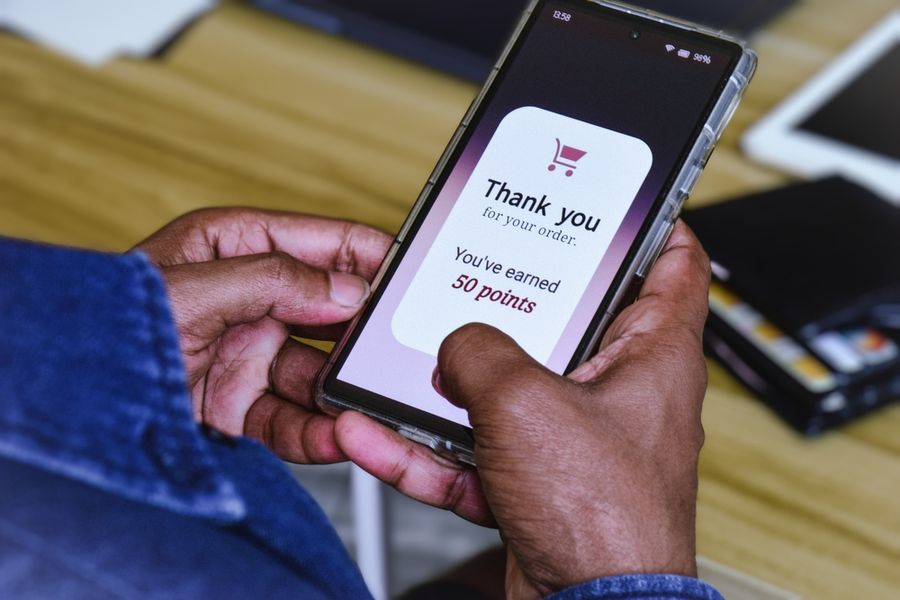
Paper coupons have been part of American shopping life for decades, but loyalty apps have changed the savings game for good. Instead of clipping, filing, and hoping you remembered to pack the right coupon, modern apps live on your phone and do most of the work for you. They apply deals at checkout, award points on every receipt, and build rewards that grow with each purchase. Understand how major U.S. apps are pulling well ahead of paper.
Ibotta: Cash Back on the Brands You Already Buy
Ibotta is one of the most widely used cash back apps in the country. The platform reaches an estimated 91% of American households, meaning most shoppers already have access to a store that partners with it (source). Unlike a paper coupon that applies to one product at one store, Ibotta works across a broad network of brands and retailers, so users can stack cash back across many categories in a single trip.
The results for active users add up over time. Since its launch, Ibotta has distributed more than $1.8 billion in earned cash back to its users, and members check in with the app an average of about seven times each week (source). That kind of regular use points to something paper coupons have never been able to offer: a savings habit that fits naturally into everyday shopping without cutting, sorting, or leaving anything at home on the counter.
Fetch Rewards: Points From Every Receipt You Scan
Fetch Rewards takes a different approach to saving. Rather than requiring users to pick specific offers before they shop, the app rewards points simply for scanning receipts after any purchase. Scanning any grocery store receipt earns at least 25 points, no matter how small the haul, and buying featured brand products can add anywhere from 500 to 2,000 bonus points on a single item (source).
What sets Fetch apart from a paper coupon is its flexibility. A paper coupon locks you into one product at one store. Fetch works at any store that provides an itemized receipt, which covers the vast majority of grocery chains across the U.S. (source). Shoppers who consistently scan their receipts and pick up participating brand items can accumulate enough points to redeem for gift cards at major grocery retailers and other stores, with redemptions available starting at just 3,000 points (source).
Target Circle: Built-In Savings That Follow You Into the Store
Target Circle is Target's no-fee loyalty program, and it removes much of the work that paper coupons have always demanded. Members who sign up gain access to automatic savings, birthday perks, and deals matched to their typical shopping habits, all without needing to sort through any printed inserts (source). Discounts load to the account automatically and apply when a member scans the app or provides their account information at checkout.
Target also offers a paid membership called Target Circle 360, which layers on additional benefits including unlimited same-day delivery on eligible orders and early access to select sales and brand events (source). For shoppers who visit Target regularly, both tiers provide a kind of rolling savings that updates with each shopping trip. The no-fee version alone is accepted at nearly 2,000 Target locations across the country (source).
Kroger App: Fuel Points and a Full Digital Coupon Gallery
Kroger's loyalty app goes beyond digital coupons by attaching a fuel rewards system to every grocery run. The program credits members one fuel point per dollar on standard grocery purchases, and double points on qualifying gift card purchases (source). Once enough points stack up, they apply as a discount on gas at participating fuel stations, which means consistent Kroger shoppers are saving at the pump as well as at the register.
The app also holds a wide gallery of digital manufacturer coupons that work much like the printed ones from a Sunday newspaper, except they clip to your loyalty account with a tap and apply automatically when you scan your card (source). In addition, Kroger has built a cash back feature directly into the app that lets members choose specific offers before they shop and then collect rewards in a digital wallet after the purchase is complete (source). That balance can be moved to a linked bank account or put toward a future grocery order, creating a savings cycle that keeps building.
Apps Have Changed What It Means to Save at the Store
Paper coupons are not completely gone, but the apps that have grown up around them offer something slips of paper never could: savings that travel with you, apply without any extra effort, and grow in value the more you use them. Whether the goal is earning cash back, building points, or picking up fuel rewards on the side, there is a loyalty app designed around how most Americans already shop.
The numbers behind this shift are hard to argue with. Digital coupons are now used by 67% of shoppers, compared to 59% who still turn to paper versions (source). Loyalty apps have become the most practical path to consistent savings at grocery stores and major retailers, and starting with even one of them is a low-effort step that tends to pay off quickly.