

Heating and cooling can take a big bite out of your monthly budget, and a surprising amount of that energy slips out through your windows. Drafty glass leaks warm air in winter, and unblocked sunlight pushes your air conditioner harder all summer. The good news is that the right window treatments can quietly chip away at that waste — no remodel, no contractor, just smart choices about what hangs in front of the glass.
Why Windows Are the Quiet Leak in Your Energy Bill
Most people never think about their windows when their bill goes up. A drafty door is loud and obvious, but a window leaks heat in a way you can't see or hear. Around 30% of the energy used to heat a home escapes through its windows. In summer, the problem flips: as much as 76% of the sunlight that hits a standard double-pane window passes through and becomes heat inside.
This is exactly where window treatments earn their place. They add a layer of protection between your room and the glass, slowing heat in winter and blocking sun in summer. The right cover, hung the right way, can cut both heating and cooling loads without changing the windows themselves.
Cellular Shades: The Quiet Workhorse
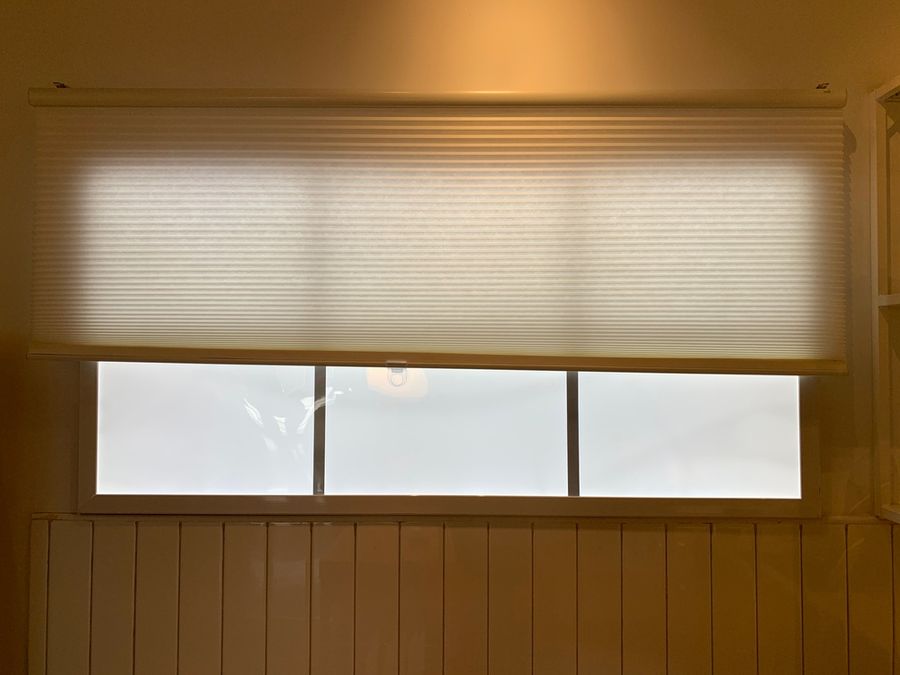
Cellular shades, also called honeycomb shades, are one of the highest-performing options on the market. The shade folds open like an accordion and traps small pockets of air inside its honeycomb cells. That trapped air acts as insulation, slowing the flow of heat through the glass. Tightly installed cellular shades can reduce heat loss through windows by 40% or more in winter, which translates to about 10% in heating energy savings.
In summer, the same shades go to work in reverse. They can cut solar heat gain by up to 60%, which means less work for your air conditioner. For the best results, choose shades that fit snugly against the window frame, and look for versions with side tracks that seal the edges. Top-down/bottom-up versions also let you control glare and privacy without giving up daylight.
Insulated Drapes That Earn Their Keep
Insulated drapes — sometimes called thermal curtains — use layered fabric to slow heat movement at the window. They usually have a decorative front, a middle layer that blocks heat, and a backing that limits airflow. When closed during cold weather, conventional drapes can cut heat loss from a warm room by up to 10%, and well-designed insulated styles do even better.
Hanging matters as much as the drape itself. Hang panels close to the window, mount them as high as possible, and let them touch the floor or windowsill. Add a valance or fabric loop at the top to seal off the gap where warm air can rise and escape. For an extra boost, pair drapes with a blind or shade behind them — that combo creates two air pockets and works harder than either layer alone.
Solar Shades and Window Film for Hot, Sunny Rooms
If you have rooms that turn into a sauna by mid-afternoon, solar shades and window film are your best friends. Solar shades use a tight, screen-like weave to block a large share of incoming sunlight while still letting you see outside. They can block a heavy share of solar heat depending on the openness factor, which makes them ideal for west- and south-facing windows.
Window film is a thin, see-through layer applied directly to the glass. It reflects or absorbs solar heat before it enters the room. Solar control films can cut cooling costs, especially in hot regions. Film is a smart pick if you want to keep your view clear and your shades open during the day. Both options pair well with curtains for layered, all-season control.
Smart and Motorized Treatments That Run on Schedule
The biggest energy savings from any window treatment depend on using it at the right time — closing shades before the afternoon sun hits, opening them on cold but sunny winter mornings, dropping insulated drapes the moment the temperature drops at night. Motorized blinds, shades, and drapes take that timing out of your hands.
Most plug into a standard outlet or run on a rechargeable battery, and they pair with a phone app, voice assistant, or smart thermostat to run on a daily schedule or a sunrise-and-sunset trigger. Some models include a light sensor that closes the shade automatically when direct sun hits the glass.
Exterior Options: Shutters and Awnings
Treatments mounted outside your windows stop sunlight before it ever hits the glass, which makes them the most effective way to fight summer heat. Awnings can reduce solar heat gain by up to 65% on south-facing windows and up to 77% on west-facing windows. That's a major drop in cooling load during peak afternoon hours.
Exterior shutters offer year-round value. They block summer sun and add an extra layer of insulation in winter, when closed against the cold. Operable shutters let you open and close them with the seasons, while fixed louvered shutters provide steady shade. These options take more setup than indoor treatments, but they pay back over time, especially in hot climates and in homes with lots of glass facing the afternoon sun.
Small Upgrade, Steady Payback
You don't have to overhaul your home to cut your energy bill — you just have to give your windows the help they're missing. Cellular shades, insulated drapes, solar shades, film, and exterior shutters or awnings all chip away at the same problem from different angles. Mix and match based on your climate, your room's exposure, and your budget.
The biggest gains often come from layering. A solar shade behind an insulated drape, or an awning paired with a cellular shade, can outperform either piece on its own. Use them on a smart schedule — closed during peak sun in summer, open on sunny winter days for heat — and your monthly bill will quietly thank you.